TABLE OF CONTENTS
How to Get Honeycomb in Minecraft: Easy Steps & Tips
Honeycomb is one of those resources that looks simple to get until your first attempt ends with an angry swarm of bees and zero drops. Whether you're after wax for copper oxidation control, candles for atmosphere, or beehives for your own honey farm, getting honeycomb efficiently requires understanding bee behavior, timing, and the right tools. This guide gives you everything the basic tutorials skip.
Finding Bee Nests in the Wild
Before you can harvest anything, you need to know exactly where bees spawn and why some locations are better than others.
Bee nests generate naturally attached to trees in specific biomes. They don't spawn randomly — they require a valid tree nearby during world generation. Knowing the spawn rates saves you hours of wandering.
| Biome | Spawn Chance |
|---|---|
| Meadow | 100% (every tree has a nest) |
| Cherry Grove | 100% |
| Plains | ~5% of trees |
| Sunflower Plains | ~5% of trees |
| Flower Forest | ~2% of trees |
| Forest | ~0.2% of trees |
|---|---|
| Birch Forest | ~0.2% of trees |
Meadow biomes are your best early-game target. Every oak and birch tree spawns with a nest attached, usually on the south-facing side between Y=60 and Y=80. If you're struggling to find bees at all, use `/locate biome minecraft:meadow` in a world with cheats or simply travel away from your spawn — meadows often generate within 1,500 blocks.
Tools and Preparation You Actually Need
Showing up unprepared is the single biggest reason players get stung repeatedly and walk away with nothing.
You only need one tool to harvest honeycomb: shears. Craft them with two iron ingots placed diagonally. They cost almost nothing and last 238 uses, so one pair handles hundreds of harvests.
The real preparation is about not getting attacked, which requires one of two approaches:
| Method | How It Works | Best For |
|---|---|---|
| Campfire under nest | Smoke pacifies bees indefinitely | Permanent farms |
| Silk Touch + relocate | Mine the nest, move it to your base | Early-game mobility |
| Flower distraction | Bees holding flowers won't attack | Not reliable alone |
| Night harvesting | Bees are inside and passive after dark | Emergency harvests |
Setting up a campfire is the gold standard. Place it directly under the nest — within 5 blocks is fine, but directly beneath works best. You don't need to light it manually; it generates smoke passively. The smoke doesn't harm bees, it just prevents them from entering an aggressive state when you harvest.
Harvesting Honeycomb: Step-by-Step
The actual process takes under 30 seconds when done correctly — here's exactly what to do.
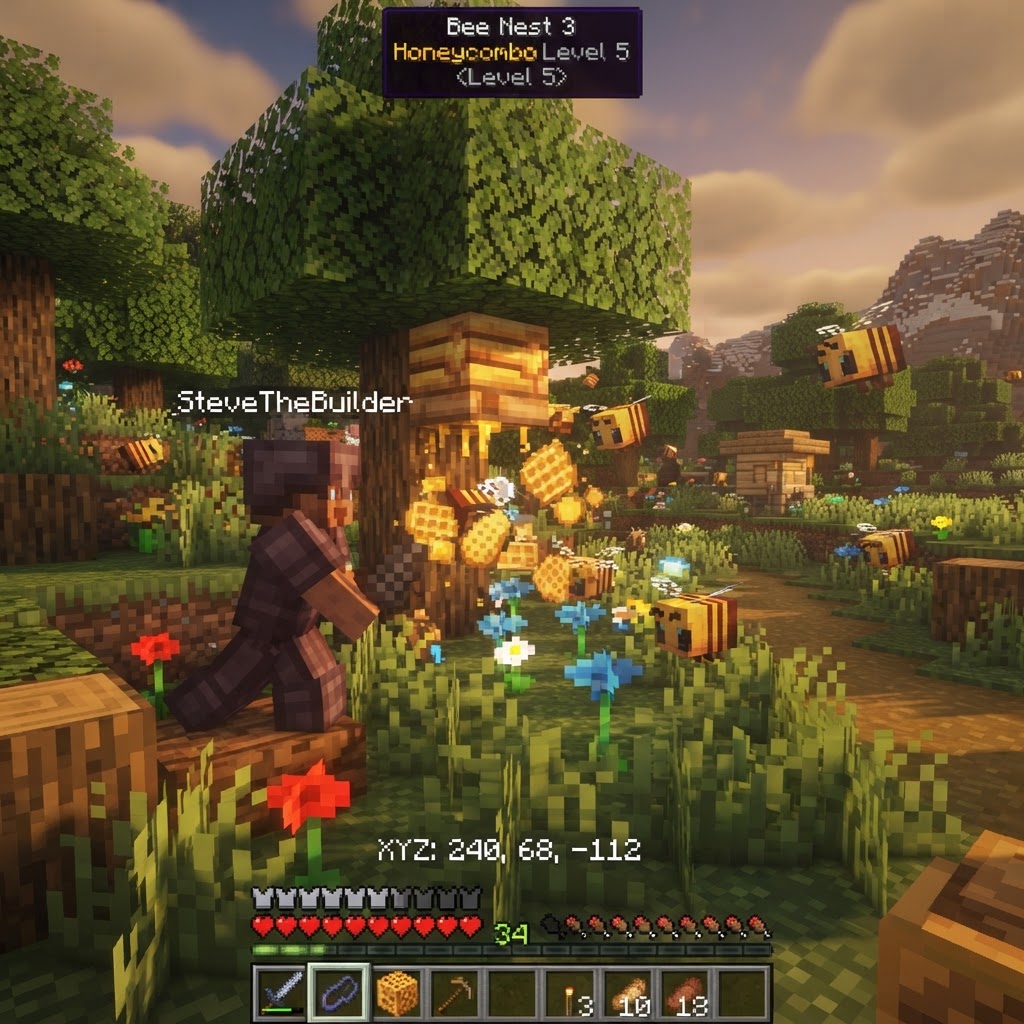
- Locate a nest at honey level 5. The nest texture changes visibly — honey drips from the bottom and the front face shows golden honey oozing out. You'll also hear a louder buzzing.
- Place a campfire directly beneath the nest (or within 5 blocks). Confirm smoke particles are rising upward toward the nest.
- Right-click the nest with shears. Your cursor should show the shear icon when hovering over the nest.
- Collect the 3 honeycomb pieces that drop. They pop out like item drops and fall to the ground.
- The nest resets to level 0 automatically. Bees will begin foraging again immediately.
Each successful harvest yields exactly 3 honeycomb. No Fortune enchantment increases this drop — shears always give a flat 3. There is no way to increase this number per harvest, which is why scaling up with multiple nests matters.
Building Your Own Honeycomb Farm
Wild nests are limited and far from base — building a dedicated farm changes everything about your honeycomb income.
Once you have at least one nest or a crafted beehive, you can scale infinitely. Here's the difference between your two hive options:
| Container | How to Obtain | Bees Required | Notes |
|---|---|---|---|
| Bee Nest (natural) | Found in world, Silk Touch to move | Already occupied | Free but limited locations |
| Beehive (crafted) | 6 planks + 3 honeycomb | Must be populated | Fully portable, craft as many as needed |
To craft a beehive: place 3 honeycomb across the middle row and 3 wooden planks above and below in a crafting table. Any wood type works.
To populate a beehive: lure bees using a flower held in your hand. Bees follow you when you're holding flowers. Lead them to your new hive location. Alternatively, breed bees near an empty hive — baby bees will adopt the nearest hive when they grow up.
Optimal farm layout:
- Build a 3×3 or larger enclosure with the hives along one wall
- Place campfires under each hive (use trapdoors above campfires to prevent bees from landing in them and dying)
- Plant flowers inside the enclosure so bees don't fly far
- Use a composter or carpet to block the bottom of the campfire column if you want to prevent ash particles
- Candles: 1 honeycomb + 1 string = 1 candle. Decorative light source, dyeable in 16 colors. A single room might need 10–20.
- Beehives: 3 honeycomb per hive. Each new hive expands your farm. Budget 30 honeycomb to start a 10-hive expansion.
- Waxed Copper: 1 honeycomb waxes 1 copper block. Large copper builds need hundreds. A 20×20 copper roof = 400 honeycomb minimum.
- Honeycomb Block: 4 honeycomb = 1 decorative block. Pure aesthetics, but useful for rustic builds.
Common Mistakes Players Make
These are the exact errors that waste your time and resources — avoid every one of them.
Harvesting at the wrong honey level. Players often try shearing a nest that hasn't reached level 5. Shears simply don't work below level 5 — the right-click does nothing. Check for the visual honey drip before approaching.
Forgetting the campfire after moving a nest. You move your nest to base, place it, then harvest it without setting up the campfire. Same aggression rules apply to placed nests and crafted beehives. The bees don't care that it's now inside your base.
Using Silk Touch at the wrong time. If you mine a bee nest while bees are inside foraging (during the day), those bees appear outside when you break it and immediately attack. Mine nests at night when all bees are inside and passive, or use a campfire before breaking.
Killing bees accidentally. Bees near campfires that aren't covered will occasionally land on them and die. Use a trapdoor or slab above the campfire to block access while still allowing smoke to rise.
Planting flowers too far away. If your farm has no flowers within about 22 blocks, bees fly enormous distances to find pollen. This stretches harvest cycles to 20+ minutes. Keep flowers close and your cycles drop to 5-7 minutes.
Ignoring honey level caps. A nest at level 5 that isn't harvested will cause bees to stop depositing honey. They'll keep flying but won't contribute. Always harvest promptly once level 5 is reached.
Pro Strategies for Serious Farmers
Beyond the basics — here's how experienced players maximize output and integrate honeycomb into bigger systems.
Run multiple hive rows in parallel. A single hive gives you 3 honeycomb per cycle. Ten hives give you 30 per cycle with the same labor. The campfire setup is identical, and harvesting ten hives takes maybe 45 extra seconds. Build in rows of 10 from the start.
Automate with observers and dispensers. An observer watching a hive face detects when honey level reaches 5 and outputs a redstone signal. Connect that to a dispenser loaded with shears, aimed at the hive. This fully automates harvesting. The dispenser fires, honeycomb drops, and you collect from a hopper below. This is mid-game but worth building as soon as you have redstone experience.
Breed bees aggressively early. Two bees fed flowers will breed and produce a baby. One bee per hive is technically enough, but three bees per hive (the maximum) means three bees contributing pollen simultaneously, which roughly triples your fill rate. Breed up to three per hive before you consider the farm complete.
Use honeycomb for copper waxing at scale. If you're building large copper builds and want to lock in a specific oxidation stage, you need a lot of honeycomb. A 10-hive farm produces honeycomb faster than most builds consume it, so start early and stockpile before your copper build is complete.
Chain beehives near your flower farms. If you already have an automatic flower farm, place beehives adjacent to it. Bees will harvest from the flower farm automatically without any extra setup, giving you passive honeycomb production while the flower farm runs for other purposes.
What to Do With Honeycomb
Understanding your end goal helps you plan how much honeycomb you actually need to farm.
Honeycomb has four primary uses, and your target quantity depends entirely on which one you're after:
Key Takeaways
Getting honeycomb efficiently comes down to three non-negotiable habits: always smoke the nest before harvesting, only harvest at honey level 5, and scale up with multiple hives rather than relying on a single nest. Find a meadow biome for the fastest early access, set up a campfire-based farm at your base as soon as you have 3 honeycomb to craft a hive, and automate with observers and dispensers once your redstone skills are there. Everything else — the breeding, the flower placement, the row layout — is optimization on top of that foundation. Get the fundamentals right and honeycomb becomes one of the easiest renewable resources in the game.
RELATED ARTICLES
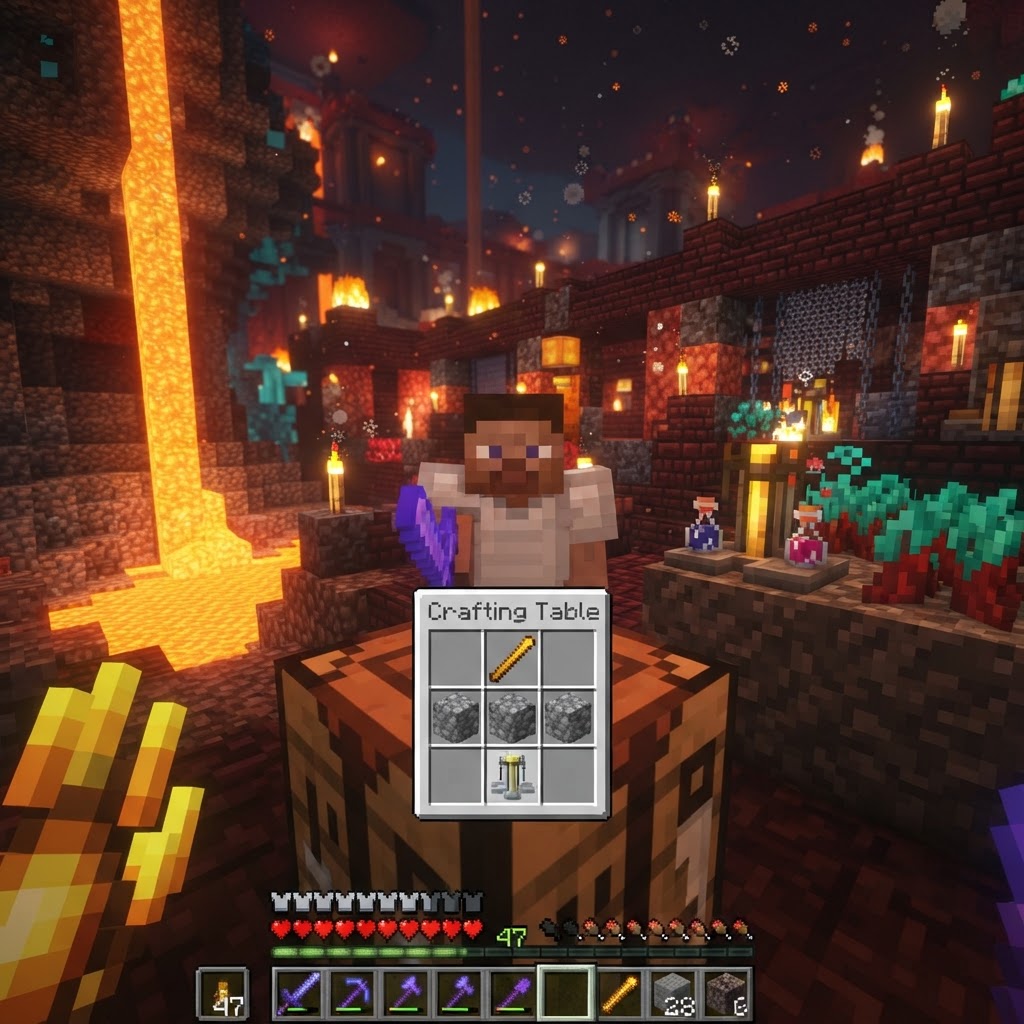
How to Make a Brewing Stand in Minecraft: Recipe & Uses
If you've hit a wall in Minecraft — mobs are one-shotting you, your armor feels useless, and the End seems impossible — a brewing stand is the tool that changes everything. Potions transform your surv...
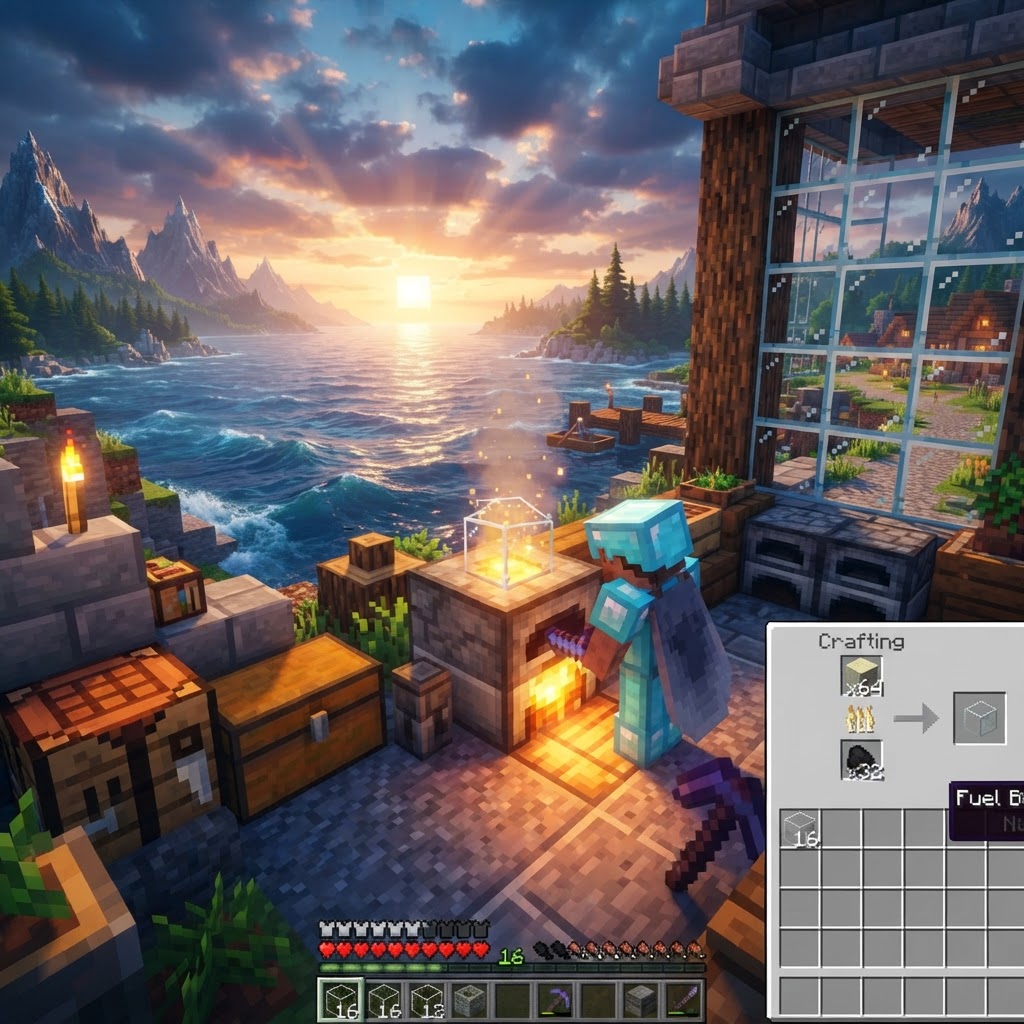
How to Make Glass in Minecraft: A Complete Smelting Guide
Glass is one of those crafting staples that looks simple on the surface but hides a surprising number of ways to go wrong — and a lot of creative potential most players never tap. Whether you're build...
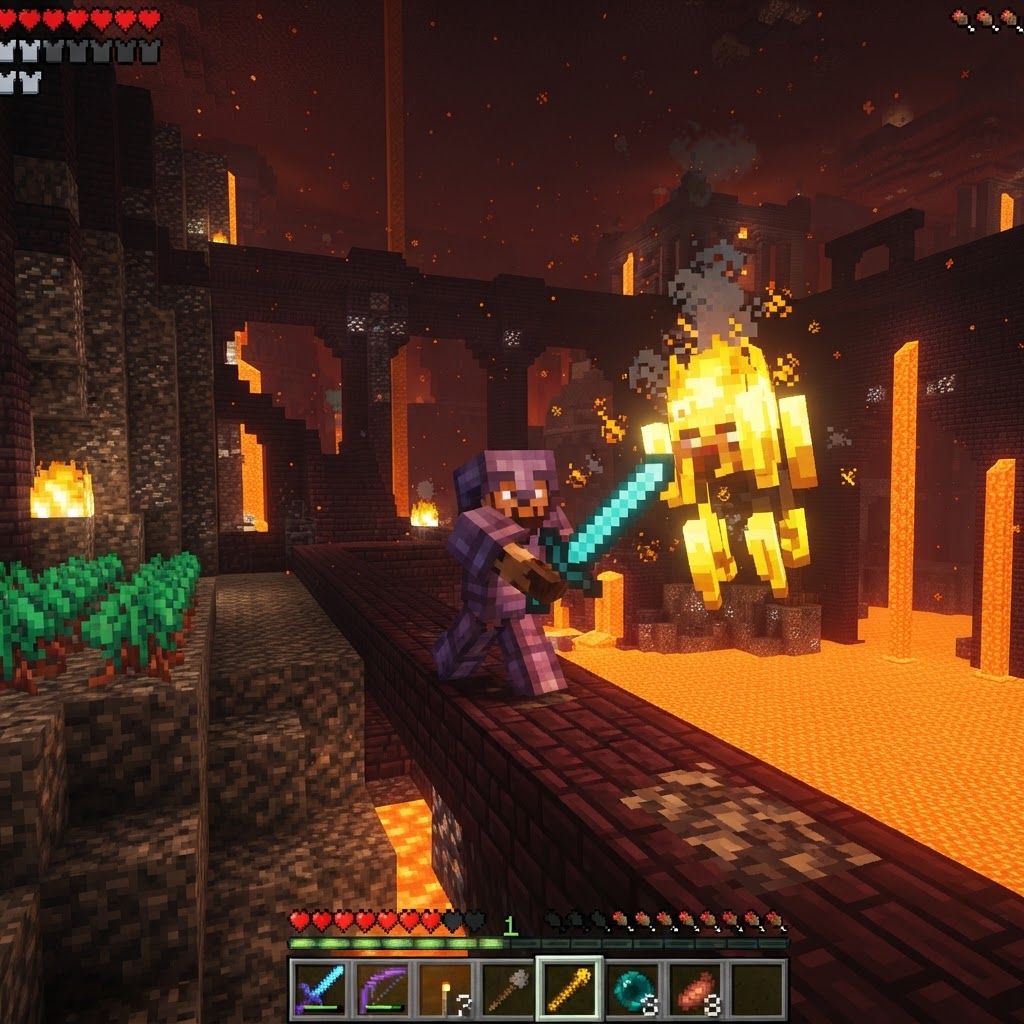
How to Get Blaze Rods in Minecraft: Find and Farm Blazes
Blaze rods are one of the most critical bottlenecks in Minecraft progression — without them, you can't brew potions, reach the End, or craft Eyes of Ender. Most players die repeatedly trying to get th...
STAY UPDATED
New blog posts, guides, and community tips delivered to your inbox.
No spam. Unsubscribe anytime.
Comments (0)
No comments yet. Be the first to share your thoughts!

