
TABLE OF CONTENTS
Get a Ghast Tear Fast in Minecraft — Complete Guide
Ghast tears are one of Minecraft's most frustrating drops to farm — not because ghasts are rare, but because their tears almost always fall into lava before you can grab them. If you're here, you're probably either stuck mid-potion recipe or you've already lost three tears to the Nether's lava lakes and want a smarter approach. This guide covers everything from efficient hunting spots to loot tricks that most players never figure out.
Why You Need a Ghast Tear (And Why It's Worth the Trouble)
Understanding your goal makes the grind feel less random and more purposeful.
Ghast tears serve one primary purpose in Minecraft's crafting system, but it's a critical one: they're the key ingredient in brewing Potions of Regeneration. This potion restores health over time, making it invaluable for boss fights (especially the Ender Dragon and Wither), long dungeon runs, and PvP combat where burst healing can turn a fight.
Beyond brewing, ghast tears are also used to craft the End Crystal, which requires a ghast tear, an eye of ender, and glass. End Crystals are essential for respawning the Ender Dragon if you want to fight it again — or if you're playing on a server where someone else killed it first.
| Use Case | Ingredient | Quantity Needed |
|---|---|---|
| Potion of Regeneration | Ghast Tear + Awkward Potion | 1 per batch |
| End Crystal | Ghast Tear + Eye of Ender + Glass | 1 per crystal |
| Extended/Enhanced Regen Potion | Base Potion + Redstone/Glowstone | 0 additional tears |
The frustration most players feel isn't about difficulty — it's about the lava problem. Ghasts float over lava seas in the Nether, and when they die, their tears drop straight into the molten rock below. Without a deliberate strategy, you can kill a dozen ghasts and walk away empty-handed. That's the real problem this guide solves.
Where Ghasts Spawn (And Where You Should Hunt Them)
Not all Nether biomes are equal — location changes everything about your drop rate.
Ghasts spawn in multiple Nether biomes, but where they spawn determines whether recovering their drops is feasible or nearly impossible.
| Biome | Ghast Spawn Rate | Drop Recovery Difficulty | Recommended? |
|---|---|---|---|
| Nether Wastes | High | Hard (open lava lakes) | Only with water bucket trick |
| Soul Sand Valley | Very High | Medium (more solid ground) | Yes — best for beginners |
| Basalt Deltas | Low-Medium | Medium | Situational |
| Crimson Forest | Low | Easy (no lava lakes nearby) | Yes — safest option |
| Warped Forest | Very Low | N/A | Not recommended |
Soul Sand Valley is your best starting point. The terrain is mostly solid soul sand and soul soil, meaning ghasts frequently hover over walkable ground rather than lava. When they die, tears fall onto a surface you can actually reach.
Crimson Forest is the safest environment — the dense fungal trees create overhead cover and the biome doesn't have open lava lakes at ground level. Ghasts here are harder to spot but their drops are almost always recoverable.
To force more ghast spawns in a target area, build a platform at least 25 blocks above a lava lake. Ghasts need a 5x5x5 open space to spawn, and they despawn at 128 blocks distance in Java or 128 chunks in Bedrock. Stay within range but give them room to appear.
How to Kill Ghasts Without Losing the Tear
The weapon you use and your positioning matter more than your gear level.
Ghasts have 10 hearts of health and float anywhere from 4 to 20 blocks in the air. They shoot fireballs that can one-shot unarmored players and destroy terrain. Here's how to fight them efficiently:
Method 1: Bow (Standard)
- Equip a bow with at least Power II for reliable one-shot or two-shot kills
- Use Punch enchantment ONLY if you're over solid ground — Punch II can knock the tear onto land instead of into lava
- Aim slightly above the ghast to compensate for arrow drop at long range
- Kill the ghast when it's directly over solid terrain, not lava
Method 2: Fireball Deflection
- Wait for a ghast to fire a fireball at you
- Hit the fireball back with any melee weapon, a bow shot, or even your fist
- The deflected fireball kills the ghast in one hit
- This triggers the "Return to Sender" achievement and uses zero arrows
- Position yourself so the fireball returns while the ghast is over land
Method 3: Sword (Close Range)
- Requires bridging up to the ghast or finding one near cliff edges
- Most resource-expensive approach but 100% reliable drop control
- Tears always fall straight down — if you're on a platform under the ghast, you catch everything
- Kill over solid ground — The only foolproof method. Always the first priority.
- Water bucket placement — Pour water at the base of a lava pool where you expect drops to land. Water creates obsidian on contact with lava source blocks, and items floating in the flow get pushed toward you. Works well in Nether Wastes near lava shores.
- Build a catching platform — Before engaging ghasts, build a solid platform beneath where they float. 3x3 cobblestone under their hover point catches nearly every drop.
- Fishing rod pull — If you see the tear land in accessible lava-adjacent water or on a surface you can't reach, a fishing rod can pull items toward you. This requires some precision.
- Ender pearls to loot — If a tear lands on a narrow ledge or unreachable platform, throw an ender pearl to teleport to it. Fast and underused.
- Farm in Soul Sand Valley or Crimson Forest — not open Nether Wastes
- Looting III sword kills are the highest-yield option when you're over solid ground
- Always carry water buckets for drop recovery on lava surfaces
- Build a platform or clearing beneath your target zone before engaging
- Batch your farm sessions — commit to a proper run, not casual kills
Looting enchantment is relevant here but works differently than most players expect — we'll cover that in the Pro Strategies section.
Recovering Drops Before They Burn
The five-second despawn window and lava burn time are the real enemies here.
Even when you kill a ghast perfectly, the tear has a five-second burn timer in lava before it's permanently destroyed. Items also despawn after five minutes on the ground. Both timers work against you.
Recovery Methods Ranked by Reliability:
Common Mistakes That Cost You Every Tear
Most ghast farming failures come down to four repeated errors.
Mistake 1: Hunting in Nether Wastes without a plan.
Nether Wastes has the highest ghast density, so players rush in and start shooting. But the open lava lakes mean almost every tear is lost. You need either water buckets ready or you need to relocate your hunting to Soul Sand Valley.
Mistake 2: Using Punch or Knockback before the ghast is over land.
These enchantments send the ghast flying — sometimes away from you, sometimes into a lava-heavy area. Punch is only useful when you're positioned so the ghast gets knocked over solid ground.
Mistake 3: Killing ghasts at extreme range.
Long-distance kills feel satisfying but the tear takes longer to fall, often drifting further into lava territory. Get within 30-40 blocks for reliable drop placement.
Mistake 4: Forgetting Fire Protection.
Players focus so much on the ghast that they step into lava themselves chasing drops. Fire Protection IV armor cuts fire damage by 32% and lava damage significantly. Always wear it in the Nether.
Mistake 5: Not batching the farm.
Spending 40 minutes collecting two tears when you could build a proper Soul Sand Valley camp and farm eight in the same time is a massive inefficiency. Commit to a real session, not a casual wander.
Pro Strategies for Efficient Ghast Tear Farming
These are the techniques that separate players with a full tear supply from those who run out mid-boss fight.
Use Looting III on a sword — but correctly.
Looting III increases the maximum ghast tear drop from 1 to up to 4 tears per kill. However, ghasts only drop tears when killed by a player (not fire, explosions, or fall damage). A Looting III sword kill over solid ground is your highest-yield single kill. Combine this with the close-range melee approach for maximum tears per ghast.
Build a Soul Sand Valley base camp.
Establish a small Nether base at the edge of a Soul Sand Valley biome. Mark it with a Nether portal chunk. From here, clear a 20x20 flat area of soul sand, which gives ghasts a landing zone. Kill ghasts repeatedly in this cleared area — tears drop directly onto the flat sand where you can walk and collect easily.
Coordinate with a partner.
One player draws ghast aggro and repositions it over solid ground. The second player takes the kill shot. This is dramatically more efficient than solo hunting because you control where the ghast is when it dies.
Pre-build lava catchers before you fight.
Before entering a ghast-heavy area, spend five minutes placing rows of slabs or stone across lava pools beneath common ghast hover paths. This converts a lava surface into a recoverable drop zone. It feels slow, but it eliminates the primary failure point of the entire farm.
Use the /kill command exploit (Creative/testing only).
If you're in Creative mode testing builds and need tears quickly, they're available in the creative inventory under "Brewing" items. In Survival, commands like `/give @p minecraft:ghast_tear` work with cheats enabled. This obviously doesn't apply to legitimate survival play, but it's useful for players testing potion setups before committing to a real farm.
Conclusion: Stop Gambling, Start Farming
Ghast tears don't have to be a frustrating, lava-destroyed mess. The entire problem reduces to two root causes: hunting in the wrong location and having no drop recovery plan. Fix those two things and you'll never waste a tear again.
Key takeaways to remember:
One afternoon in the right biome with the right setup will stock you with enough ghast tears for dozens of Regen potion batches and every End Crystal you'll ever need. The Nether is dangerous but predictable — once you know the rules, ghast tears become one of the most farmable resources in the game.
RELATED ARTICLES
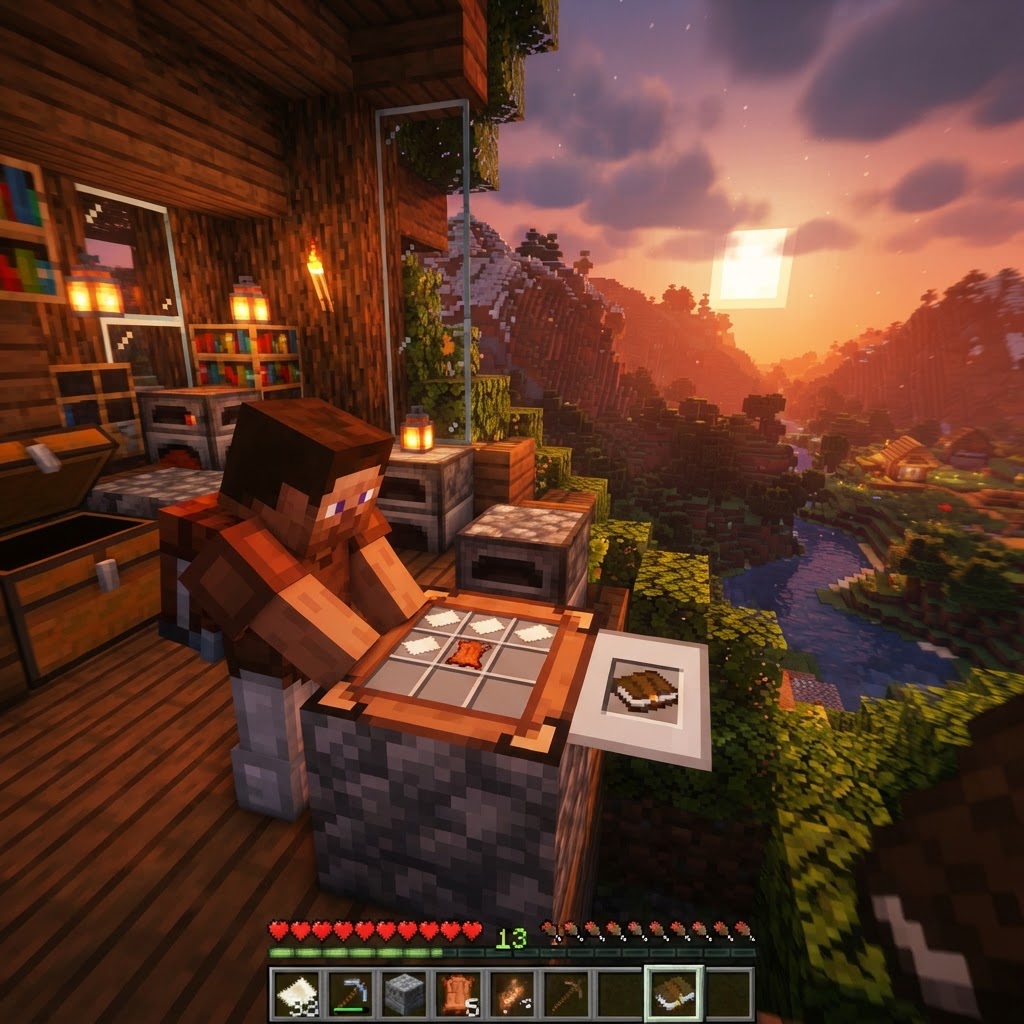
How to Make a Book in Minecraft: Easy Recipe & Uses
You're probably here because you just hit a wall — enchanting, writing, or crafting something advanced — and realized you need books but aren't sure how to get them efficiently. Books are one of Minec...
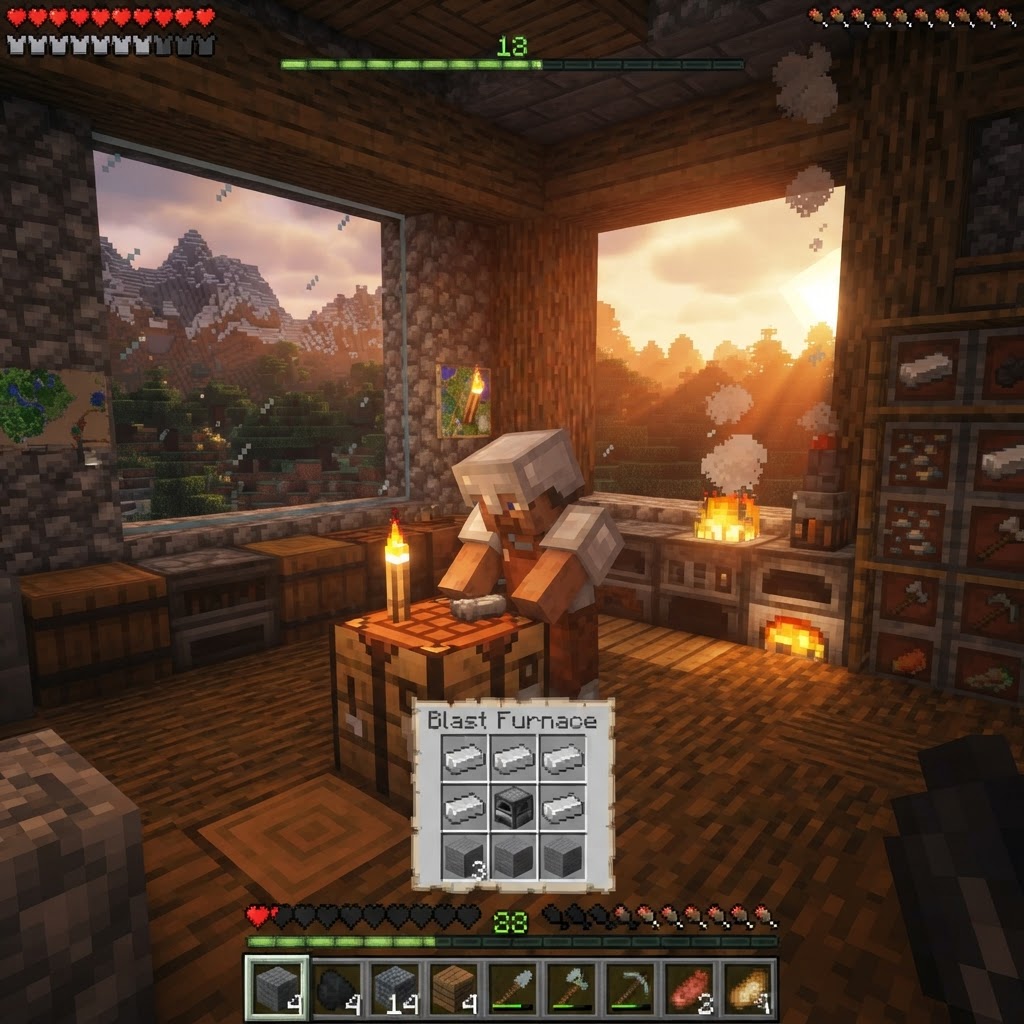
How to Make a Blast Furnace in Minecraft: Recipe & Uses
If you've been manually smelting ores one by one in a regular furnace, you're wasting serious time — the Minecraft blast furnace doubles your smelting speed for metals and ores, making it one of the m...
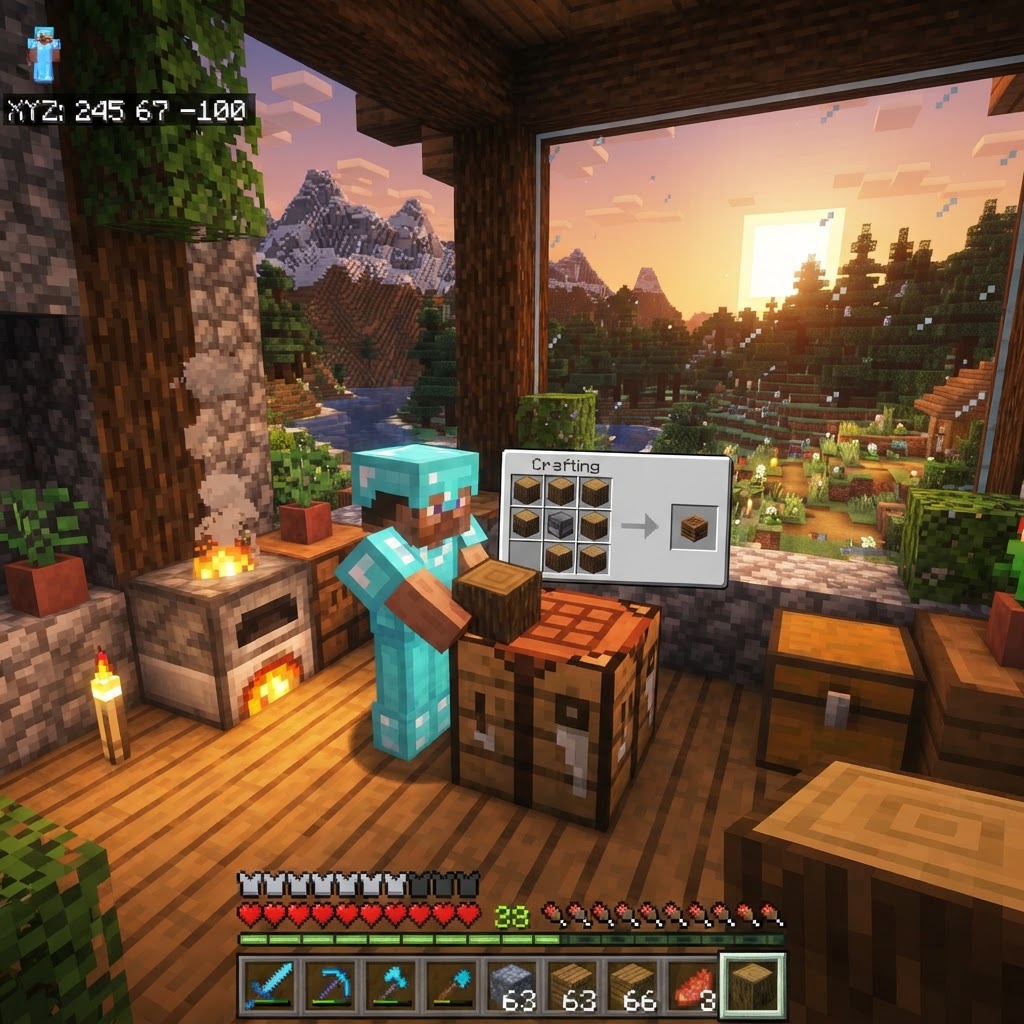
How to Make a Smoker in Minecraft: Recipe & Uses
If you're tired of waiting forever for your food to cook in a standard furnace, the smoker is the upgrade you didn't know you needed. It cooks food items at exactly twice the speed of a regular furnac...
STAY UPDATED
New blog posts, guides, and community tips delivered to your inbox.
No spam. Unsubscribe anytime.
Comments (0)
No comments yet. Be the first to share your thoughts!

